Review current recall and provider guidance where relevant
Use this as a conversation point with your provider, equipment supplier, or sleep care team.
A product-family guide for comparing machine footprint, humidification, and daily therapy routine questions.
Use this as a conversation point with your provider, equipment supplier, or sleep care team.
Use this as a conversation point with your provider, equipment supplier, or sleep care team.
Use this as a conversation point with your provider, equipment supplier, or sleep care team.
Apneatronics does not sell prescription CPAP machines directly. Use this page to compare features, then confirm prescription needs, settings, supplier rules, warranty, and follow-up with a qualified healthcare provider or licensed equipment supplier.
Ask your care team what documentation, pressure settings, and follow-up are needed before buying or replacing a machine.
Accessories such as filters, tubing, chambers, cases, and cleaning tools may be shopped separately after confirming compatibility.
Call a provider or supplier if symptoms persist, pressure feels wrong, therapy data changes, or comfort problems do not improve.
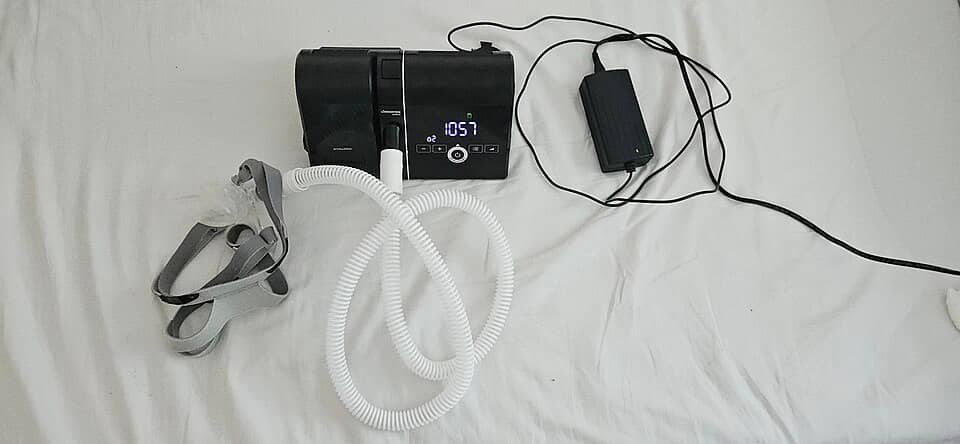 PHLWikimedia Commons CPAP image
Philips DreamStation 2 replacement parts and compatible accessories for checking compatibility, seller policies, and replacement timing.
PHLWikimedia Commons CPAP imagePhilips DreamStation 2 filter packs and routine maintenance supplies for checking compatibility, seller policies, and replacement timing.
PHLWikimedia Commons CPAP imagePhilips DreamStation 2 standard and heated tubing options for checking compatibility, seller policies, and replacement timing.
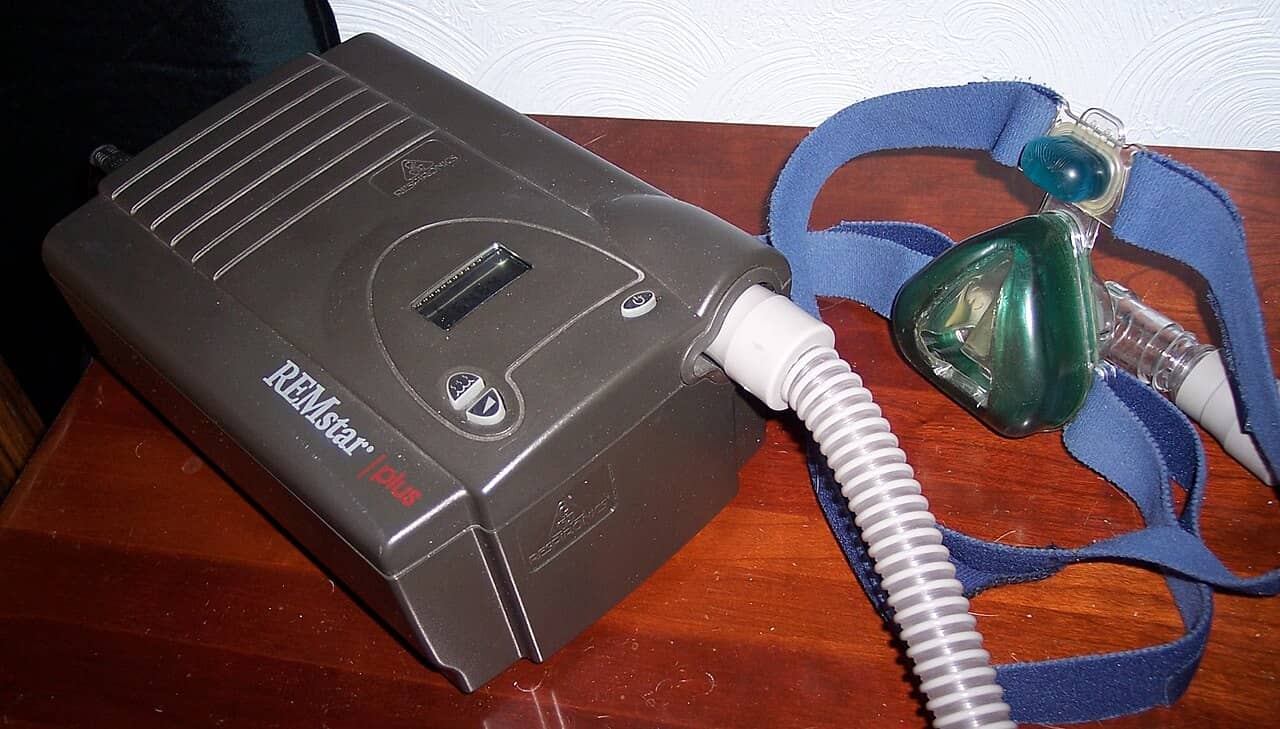 PHLWikimedia Commons CPAP image
Philips DreamStation 2 humidifier chamber replacement guides for people checking compatibility, seller policies, and replacement timing.
PHLWikimedia Commons CPAP imagePhilips DreamStation 2 cleaning brushes, wipes, and maintenance kits for checking compatibility, seller policies, and replacement timing.
 PHLWikimedia Commons CPAP image
Full-face mask guides for people comparing DreamWear-style coverage.
No. CPAP equipment choices depend on prescription, comfort, pressure settings, mask fit, and clinician guidance.
No. Pressure and therapy settings should come from your healthcare provider or sleep care team.